Unveiling the Future of AI Powered Virtual Assistants
AI-powered virtual assistants have rapidly evolved from simple voice-activated helpers to sophisticated digital companions capable of managing schedules, answering complex queries, and even anticipating user needs. Their integration into smartphones, smart speakers, and business platforms has made them a familiar presence in daily routines. The development of natural language processing (NLP), machine learning, and cloud computing has been instrumental in this transformation, allowing these assistants to understand context, learn from interactions, and deliver increasingly personalized experiences.
Recent advancements are pushing the boundaries of what virtual assistants can achieve. Companies like Google, Amazon, Apple, and Microsoft are investing heavily in AI research to make their assistants more intuitive, proactive, and secure. The focus is shifting from reactive task execution to predictive assistance, where AI anticipates what users need before they even ask. This shift is reshaping how people interact with technology at home, at work, and on the go.
Technological Foundations: How AI Virtual Assistants Work
Modern virtual assistants rely on a combination of technologies to function effectively. At the core is NLP, which enables machines to interpret and respond to human language in a way that feels natural. Machine learning algorithms process vast amounts of data from user interactions, allowing the assistant to improve its responses over time. Cloud computing provides the necessary infrastructure for real-time processing and access to up-to-date information.
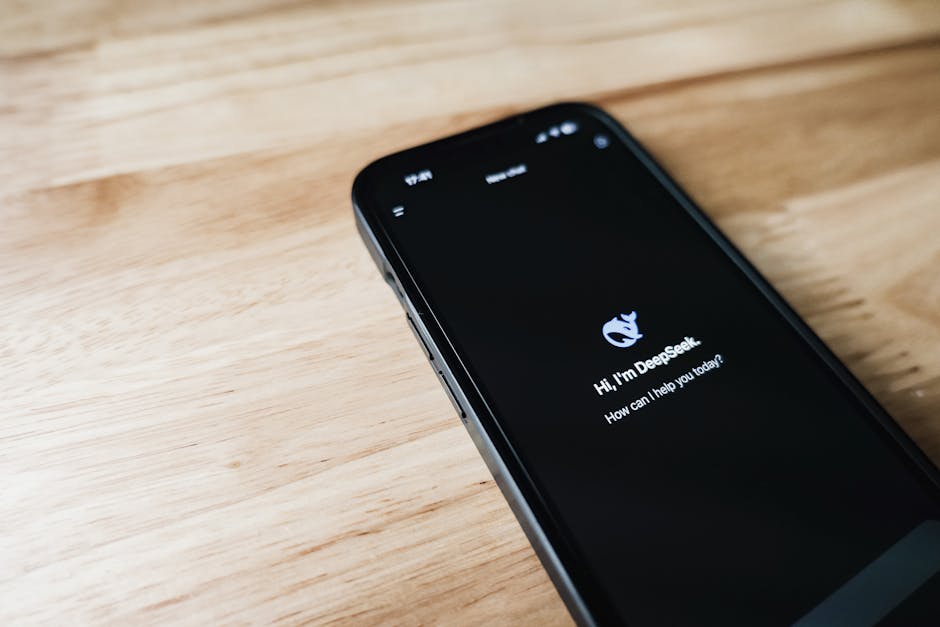
Key components include:
- Speech recognition: Converts spoken language into text for further processing.
- Natural language understanding: Interprets meaning, intent, and context from user input.
- Dialogue management: Maintains coherent conversations by tracking context and previous exchanges.
- Personalization engines: Tailor responses based on user preferences and behavior.
These elements work together to create seamless interactions. For example, when asking a virtual assistant to book a flight, the system not only understands the request but also considers previous travel patterns and preferences to suggest the best options.
Current Applications: From Everyday Tasks to Enterprise Solutions
AI-powered virtual assistants are now embedded in a wide range of devices and services. On a personal level, they help with tasks such as setting reminders, controlling smart home devices, providing weather updates, and answering general knowledge questions. The convenience of hands-free operation has made them especially popular among users with busy lifestyles or accessibility needs.
In the business sector, virtual assistants are transforming customer service and workflow automation. Chatbots powered by AI handle routine inquiries on websites and messaging platforms, freeing up human agents for more complex issues. Virtual meeting assistants can schedule appointments, transcribe meetings, and even summarize action items. According to Gartner, by 2025, 50% of knowledge workers will use a virtual assistant daily, a significant increase from just 2% in 2019.
- Customer support chatbots for banks and retailers
- Voice-controlled productivity tools for professionals
- AI-driven scheduling assistants for healthcare providers
- Smart home integration for energy management and security
Personal experience with these tools often highlights their ability to reduce repetitive tasks and improve efficiency. For instance, using a voice assistant to manage a calendar or control home lighting quickly becomes second nature after a short adjustment period.
Emerging Trends: Personalization, Privacy, and Multimodal Interaction
Personalization is becoming more sophisticated as assistants learn from user behavior across devices and platforms. This means recommendations and reminders are increasingly tailored to individual routines and preferences.
Privacy remains a top concern. As assistants collect more personal data to provide better service, companies are under pressure to implement robust security measures and transparent data policies. Apple’s approach with on-device processing for Siri is one example of prioritizing user privacy (apple.com). Users are also gaining more control over what data is stored or shared.
Another notable trend is the rise of multimodal interaction, combining voice, text, images, and touch for more flexible communication. Google Assistant’s integration with visual search through Google Lens allows users to interact with their environment in new ways (blog.google). This shift supports accessibility and opens up new possibilities for how people engage with technology.
Challenges Ahead: Bias, Security, and Human-AI Collaboration
Despite their progress, AI-powered virtual assistants face several challenges. Bias in training data can lead to inaccurate or unfair responses, particularly for users from diverse backgrounds. Addressing these issues requires ongoing refinement of algorithms and broader representation in data sets (nature.com).
Security is another critical area. As assistants become more integrated into daily life (handling payments, health information, and sensitive communications) the risk of unauthorized access increases. Companies are investing in advanced authentication methods such as voice biometrics and multi-factor verification to mitigate these risks.
The evolving relationship between humans and AI also raises questions about trust and dependency. While virtual assistants can boost productivity and convenience, there is a growing need for transparency in how decisions are made. Users want to understand why an assistant makes certain recommendations or takes specific actions.
- Ensuring unbiased AI responses across languages and cultures
- Implementing end-to-end encryption for sensitive tasks
- Building explainable AI systems that clarify decision-making processes
The Road Ahead: Next-Generation Capabilities and Societal Impact
The next wave of AI-powered virtual assistants will likely feature deeper contextual awareness and emotional intelligence. Research is underway to enable assistants to detect mood or stress through voice analysis or facial cues (sciencedirect.com). This could lead to more empathetic interactions, such as offering calming music during stressful moments or adjusting communication style based on user mood.
Integration with emerging technologies like augmented reality (AR) and the Internet of Things (IoT) will further expand their capabilities. Imagine an assistant that not only schedules your appointments but also manages your smart appliances based on your calendar or provides real-time translations during international travel. These innovations promise to make virtual assistants indispensable partners in both personal and professional settings.
The societal impact will be significant as well. Virtual assistants have the potential to bridge digital divides by making technology more accessible for people with disabilities or limited technical skills. However, this also raises questions about workforce displacement in sectors where automation replaces human roles.
As these digital companions become more capable and integrated into daily life, users can expect greater convenience, personalization, and support, provided that privacy, security, and fairness remain at the forefront of development efforts.