Can AI Foster Creativity in Art and Design
Artificial intelligence has become a significant presence in creative industries, sparking both excitement and debate among artists, designers, and technologists. Its rapid development has led to new tools that can generate images, suggest design elements, and even compose music. While some see AI as a threat to traditional forms of creativity, others recognize its potential to enhance artistic expression and push boundaries that were once thought to be fixed. The intersection of technology and human imagination is now more dynamic than ever, prompting a closer look at how AI can foster creativity in art and design.
The Evolution of AI in Creative Practices
AI’s journey into the creative sector began with simple algorithms capable of producing basic patterns or assisting with repetitive design tasks. Over time, advancements in machine learning and neural networks have enabled AI to analyze vast datasets of artistic works and learn from them. This has resulted in programs that can mimic styles, generate original compositions, and even collaborate with human creators in real-time.
Historically, artists have embraced new technologies to expand their creative toolkit. The camera, for example, was initially met with skepticism but eventually became a staple in visual arts. Similarly, digital editing software revolutionized graphic design. AI represents the next phase in this technological evolution, offering not just new tools but also new ways of thinking about creativity itself.
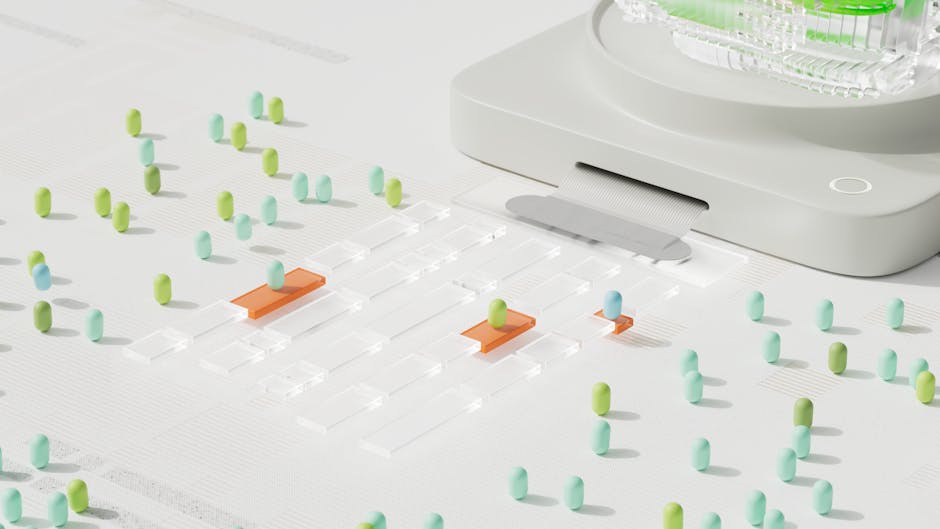
Today’s AI-powered platforms can generate artwork that ranges from photorealistic portraits to abstract compositions. These systems are trained on extensive image libraries and can produce results within seconds. The accessibility of such tools has democratized creative expression, allowing individuals without formal training to experiment and create at a professional level.
| AI Tool | Primary Use | Notable Feature |
|---|---|---|
| DALL-E | Image Generation | Text-to-image synthesis |
| RunwayML | Video Editing & Effects | Real-time collaboration |
| DeepArt | Style Transfer | Transforms photos into artworks in famous styles |
How AI Enhances the Creative Process
AI’s ability to process large amounts of data quickly makes it a valuable partner for artists and designers seeking inspiration or efficiency. By analyzing trends, color palettes, and composition techniques from thousands of works, AI can suggest novel combinations that might not occur to a human creator. This can lead to unexpected breakthroughs and fresh perspectives.
One practical benefit is the reduction of time spent on repetitive or technical tasks. For example, AI can automate background removal, color correction, or resizing images for different platforms. This frees up creators to focus on the conceptual aspects of their work, where human intuition and emotion play a crucial role.
AI also serves as a collaborative partner rather than a mere tool. Artists can input prompts or partial sketches and allow the AI to interpret or complete them. This back-and-forth interaction often leads to results that neither the artist nor the machine could achieve alone. According to nytimes.com, some artists describe this process as “co-creation,” where the boundaries between human and machine authorship become blurred.
Challenges and Concerns for Artists and Designers
The integration of AI into creative fields is not without controversy. Many artists worry about originality and ownership when machines generate content based on existing works. There are ongoing debates about copyright infringement, especially when AI models are trained on copyrighted materials without explicit permission.
Another concern is the potential loss of human touch in art and design. Some critics argue that AI-generated works lack the emotional depth or intentionality that comes from personal experience. While machines can replicate styles or techniques, they do not possess consciousness or subjective intent.
There are also ethical considerations regarding bias in AI-generated art. If the training data reflects certain cultural or aesthetic preferences, the output may reinforce stereotypes or exclude underrepresented voices. Addressing these issues requires transparency in how datasets are curated and how algorithms are designed.
AI as a Catalyst for New Artistic Movements
Despite concerns, many artists have embraced AI as a means to explore new creative territories. The emergence of “AI art” as a genre has led to exhibitions, competitions, and collaborations that challenge traditional definitions of authorship and originality. Some artists use AI to generate raw material, which they then refine by hand, while others allow the machine’s output to stand on its own.
This blending of human and machine creativity has given rise to hybrid forms of expression. For example, generative design uses algorithms to create structures or patterns that would be difficult or impossible for humans to conceive unaided. In architecture, AI-driven tools assist in optimizing building layouts for light, airflow, or energy efficiency while maintaining aesthetic appeal.
The impact of AI is also seen in music composition, fashion design, and interactive installations. By automating certain processes or suggesting unconventional solutions, AI encourages creators to take risks and experiment beyond their usual boundaries.
Practical Applications in Everyday Creative Work
AI tools are increasingly integrated into popular software used by designers and artists. Adobe’s suite now includes features powered by machine learning, such as automatic subject selection or smart color matching. These enhancements streamline workflows and reduce manual labor.
- Concept Generation: AI can propose multiple design concepts based on a brief or mood board.
- Personalization: Algorithms tailor content for specific audiences by analyzing user preferences.
- Accessibility: Text-to-image generators enable those with limited drawing skills to visualize ideas.
- Error Reduction: Automated proofreading and layout checks help ensure consistency.
- Rapid Prototyping: Designers can iterate quickly by generating variations with minimal effort.
I’ve personally found that using AI-assisted sketching tools helps break creative blocks when starting new projects. The ability to see instant variations on an idea often sparks further exploration and refinement.
The Human Element: Collaboration Over Replacement
The most successful applications of AI in art and design occur when technology complements rather than replaces human creativity. Artists who view AI as a collaborator often report greater satisfaction with their work and discover new possibilities for self-expression.
This collaborative approach is reflected in educational settings as well. Art schools now offer courses on computational creativity, teaching students how to harness AI without losing sight of their unique voice. According to tate.org.uk, these programs emphasize critical thinking about technology’s role in shaping culture and identity.
Ultimately, the relationship between humans and machines in creative fields is evolving. Rather than fearing obsolescence, many creators are learning to adapt and thrive alongside intelligent tools.
The Future of Creativity with AI
The ongoing development of AI promises even more sophisticated tools for artists and designers. As algorithms become better at understanding context, emotion, and nuance, their contributions will likely become more meaningful and integrated into creative workflows.
Future advancements may include AI systems that can interpret verbal instructions or collaborate across multiple mediums simultaneously. The challenge will be ensuring that these technologies remain accessible and inclusive while respecting the integrity of human creativity.
AI’s role in art and design is complex but undeniably transformative. It offers new ways for creators to experiment, iterate, and express themselves while raising important questions about authorship, ethics, and cultural impact. By embracing technology as a partner rather than an adversary, artists can expand their horizons without sacrificing authenticity.
The conversation around AI fostering creativity is far from settled. What remains clear is that the synergy between human imagination and intelligent machines has already begun reshaping what it means to create and will continue to do so as both fields evolve together.