The Impact of IoT Devices on Enterprise Security Posture
Imagine walking into a modern office. The lights adjust automatically as you enter, the coffee machine starts brewing your favorite blend, and the conference room screens light up, ready for your presentation, all without anyone lifting a finger. This isn’t science fiction; it’s the daily reality in workplaces powered by the Internet of Things (IoT). While these devices boost productivity and convenience, they also introduce a new web of security challenges that many organizations are still scrambling to untangle.
The Expanding IoT Landscape in Business
Let’s start with the sheer scale of IoT adoption. According to Statista, there were over 15 billion connected IoT devices worldwide in 2023, with projections soaring past 29 billion by 2030. In the enterprise world, IoT goes far beyond smart thermostats. We’re talking about everything from networked printers and security cameras to industrial sensors and medical equipment. Each device is a tiny computer, often with its own operating system and network connection.
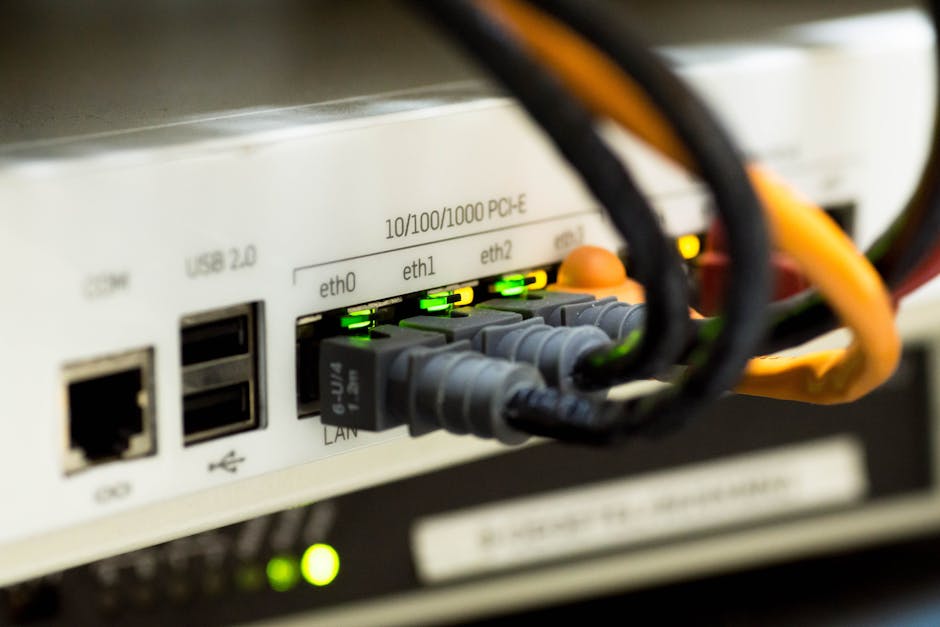
But here’s the catch: every device is also a potential entry point for cyber attackers. Unlike traditional endpoints like laptops or smartphones, many IoT devices are designed for function, not security. They might run outdated software, use default passwords, or lack the ability to be patched easily. It’s like building a fortress but leaving dozens of side doors unlocked.
How IoT Devices Reshape Security Posture
When you add IoT devices to your network, you’re not just gaining convenience, you’re fundamentally changing your organization’s risk profile. Let’s break down how:
- Attack Surface Expansion: Each new device adds another node that could be exploited. A single vulnerable sensor can provide a foothold for attackers to move laterally across your network.
- Visibility Challenges: Many organizations struggle to keep track of all their connected devices. Shadow IoT (devices added without IT’s knowledge) can fly under the radar, making it hard to spot vulnerabilities.
- Patch Management Headaches: Unlike PCs or servers, IoT devices often lack standardized update mechanisms. Some may never receive security patches at all.
- Data Privacy Risks: Devices that collect sensitive information (think smart cameras or health monitors) can leak data if compromised, leading to regulatory headaches and reputational damage.
A classic example is the 2016 Mirai botnet attack, where hackers took control of thousands of unsecured IoT devices (like cameras and DVRs) to launch massive distributed denial-of-service (DDoS) attacks that crippled major websites. The lesson? Even seemingly innocuous devices can become weapons in the wrong hands.
Common Vulnerabilities and Real-World Consequences
To understand the risks, it helps to look at some of the most common IoT vulnerabilities plaguing enterprises today:
| Vulnerability | Description | Potential Impact |
|---|---|---|
| Default Credentials | Devices shipped with factory-set usernames and passwords | Easy for attackers to guess and gain access |
| Lack of Encryption | Data transmitted in plain text | Sensitive information can be intercepted |
| Unpatched Firmware | No mechanism for updates or patches | Known exploits remain unaddressed |
| Poor Network Segmentation | IoT devices on the same network as critical systems | Attackers can move laterally after compromise |
| Insecure APIs | Poorly designed interfaces for device management | Remote exploitation and data leakage |
Consider what happened at a North American casino in 2017: hackers infiltrated the casino’s high-roller database through an internet-connected fish tank thermometer. Yes, you read that right, a fish tank thermometer! By exploiting weak security on this innocuous device, attackers gained access to sensitive customer data (Wired). It’s a perfect illustration of how the weakest link can compromise an entire network.
Strengthening Your Security Posture: Practical Strategies
The good news? You don’t have to choose between innovation and security. With a thoughtful approach, you can enjoy the benefits of IoT while minimizing risk. Here are some practical steps:
- Inventory Everything: Start by mapping every connected device on your network. Use automated discovery tools to find devices IT may not know about.
- Change Default Settings: Immediately replace factory-set passwords with strong, unique credentials. Disable unused features and services.
- Network Segmentation: Place IoT devices on separate VLANs or networks from critical business systems. This limits lateral movement if a device is compromised.
- Regular Updates: Where possible, choose devices that support firmware updates and establish a patching schedule. If updates aren’t available, consider replacing high-risk devices.
- Monitor and Alert: Set up continuous monitoring for unusual activity from IoT endpoints. Anomalies (like a thermostat suddenly sending large amounts of data) should trigger alerts.
- Vendor Due Diligence: Before purchasing, evaluate vendors’ security track records. Ask about their update policies, encryption standards, and incident response processes.
- User Training: Educate employees about the risks associated with connecting unauthorized devices to the corporate network.
The Road Ahead: Balancing Innovation and Security
The proliferation of IoT in business isn’t slowing down. From smart factories using predictive maintenance sensors to hospitals tracking equipment in real time, these devices are transforming how organizations operate. But as with any powerful tool, there’s a responsibility to wield it wisely.
Security teams need to work hand-in-hand with business leaders and IT departments, not as gatekeepers who say “no” to innovation, but as partners who ensure that progress doesn’t come at the cost of safety.
If you take away one thing, let it be this: IoT is here to stay, and its impact on enterprise security posture is profound. By understanding the risks and taking proactive steps, organizations can build workplaces that are not only smarter but also safer for everyone involved.
References:
- Statista: Number of connected IoT devices worldwide 2020-2030 (statista.com)
- Wired: How Hackers Broke Into a Casino Through a Fish-Tank Thermometer (wired.com)
- Kaspersky: The Mirai Botnet Explained (kaspersky.com)
- NIST Special Publication 800-213: IoT Device Cybersecurity Guidance for the Federal Government (nist.gov)