AI-Powered Chatbots Revolutionizing Customer Service Experiences
AI-powered chatbots have become a regular part of customer service across many industries. These digital assistants are now handling tasks that once required human agents, such as answering questions, processing orders, and troubleshooting problems. Their ability to provide instant responses, day or night, has changed how companies interact with customers. This shift is not only about convenience but also about improving efficiency and consistency in customer support.
Businesses are investing in chatbot technology to meet rising expectations for quick and accurate service. According to a 2023 report by Gartner, 80% of customer service organizations are expected to use messaging platforms and chatbots by 2025. This trend is driven by the need to manage large volumes of inquiries without increasing costs. Chatbots can handle thousands of conversations at once, something that would be impossible for human teams alone.
While some people still prefer speaking with a live agent, many are comfortable interacting with chatbots for routine tasks. The technology behind these bots continues to improve, making them more helpful and less likely to frustrate users. As a result, AI-powered chatbots are becoming a standard feature in online customer service, shaping the way people get help from brands.
How AI Chatbots Work in Customer Service
AI chatbots use natural language processing (NLP) and machine learning to understand and respond to customer messages. NLP allows the bot to interpret what a person is saying, even if the language is informal or contains spelling errors. Machine learning helps the bot improve over time by learning from past interactions and feedback.
When a customer sends a message, the chatbot analyzes the text to determine the intent. It then searches its database for the most relevant answer or action. For example, if someone asks about order status, the bot can pull up tracking information from the company’s system. If the request is more complex, the chatbot can transfer the conversation to a human agent.
Some chatbots are rule-based, meaning they follow simple scripts and can only handle specific questions. Others use advanced AI models that allow for more flexible and natural conversations. The most sophisticated bots can even detect emotions or escalate urgent issues automatically.
Here are some common features found in AI-powered customer service chatbots:
- 24/7 availability for instant support
- Ability to handle multiple conversations at once
- Integration with company databases and CRM systems
- Personalized responses based on customer history
- Escalation to human agents when needed
The table below summarizes key differences between traditional customer service and AI-powered chatbots:
| Aspect | Traditional Service | AI Chatbots |
|---|---|---|
| Availability | Business hours only | 24/7 support |
| Response Time | Minutes to hours | Instant |
| Scalability | Limited by staff size | Handles thousands at once |
| Consistency | Varies by agent | Uniform responses |
| Cost Efficiency | Higher labor costs | Lower operational costs |
Main Benefits for Customers and Businesses
The adoption of AI-powered chatbots brings clear benefits for both customers and companies. For customers, the most noticeable improvement is faster service. Instead of waiting on hold or for an email reply, users can get answers right away. This speed is especially valuable for simple questions or urgent issues.
Chatbots also make it easier for businesses to offer personalized experiences. By connecting with customer relationship management (CRM) systems, bots can access order histories, preferences, and previous interactions. This allows them to tailor responses and suggest relevant products or solutions.
For companies, chatbots reduce the workload on human agents. Routine tasks like password resets or order tracking can be handled automatically, freeing up staff to focus on more complex issues. This leads to higher job satisfaction among employees and better outcomes for customers who need specialized help.
Other advantages include:
- Lower operating costs due to automation
- Ability to collect data on customer behavior and preferences
- Consistent quality of service across all interactions
- Support for multiple languages and channels (web, mobile apps, social media)
- Improved scalability during peak times or unexpected surges in demand
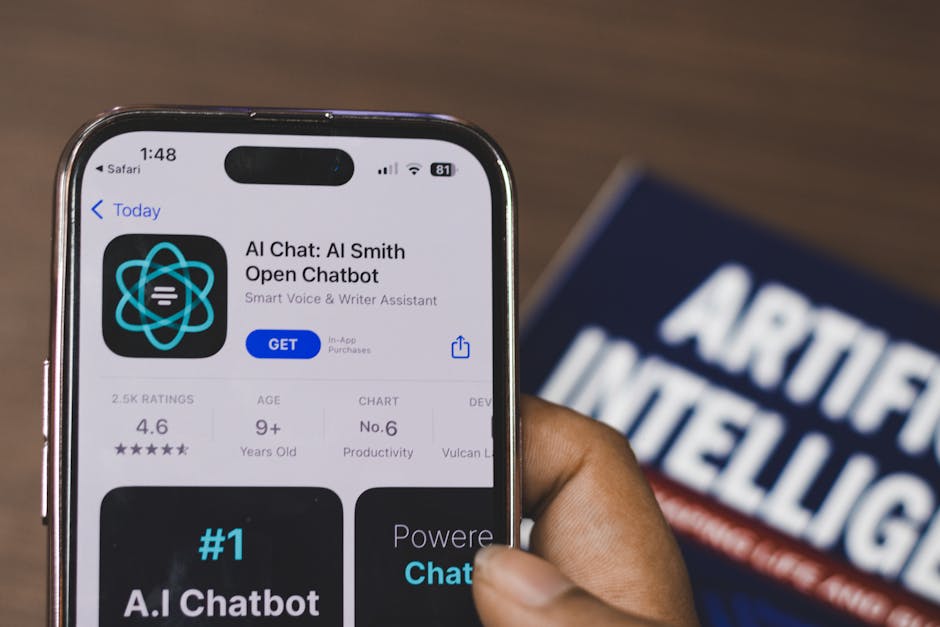
A study published by McKinsey & Company found that AI-enabled customer service can reduce costs by up to 30% while increasing customer satisfaction scores. These results highlight why so many organizations are making chatbots a core part of their support strategy.
Challenges and Limitations of Chatbot Technology
Despite their advantages, AI-powered chatbots are not without challenges. One common issue is that bots can struggle with complex or unusual requests. If a customer’s question falls outside the chatbot’s training data or script, the response may be unhelpful or incorrect.
Another concern is the risk of misunderstandings due to language nuances or cultural differences. While NLP has improved significantly, it is not perfect. Some users may become frustrated if the chatbot fails to recognize their intent or provides irrelevant answers.
Privacy and data security are also important considerations. Chatbots often require access to sensitive information such as account details or payment history. Companies must ensure that these systems comply with data protection regulations and have strong security measures in place.
The following list outlines key challenges faced by businesses using AI chatbots:
- Handling complex or ambiguous queries effectively
- Avoiding repetitive or generic responses that frustrate users
- Ensuring data privacy and compliance with regulations like GDPR
- Maintaining a balance between automation and human touch
- Keeping up with advances in AI technology and updating bots regularly
Addressing these challenges requires ongoing investment in technology, staff training, and user feedback mechanisms.
The Evolution of Chatbot Technology Over Time
The concept of automated customer service dates back several decades. Early systems relied on simple decision trees or keyword matching, which limited their usefulness. The introduction of machine learning and NLP has made modern chatbots much more capable.
Major advances have come from large language models like OpenAI’s GPT series and Google’s BERT architecture. These models allow chatbots to understand context, carry on longer conversations, and learn from user input. As a result, today’s bots can handle a wider range of topics and provide more accurate information than earlier versions.
The use of AI chatbots has expanded beyond websites into messaging apps like WhatsApp, Facebook Messenger, and WeChat. This multi-channel approach allows businesses to reach customers wherever they are most comfortable communicating.
The table below highlights key milestones in chatbot development:
| Year | Milestone | Impact on Customer Service |
|---|---|---|
| 1966 | ELIZA chatbot created at MIT | Pioneered text-based interaction but limited understanding |
| 2009-2011 | Siri and other virtual assistants launched | Brought voice recognition into mainstream use |
| 2016-2018 | NLP breakthroughs (BERT, GPT) | Dramatically improved conversational ability of bots |
| 2020-present | Widespread adoption in business settings | Mainstream use for support, sales, and engagement tasks |
User Experience: What Makes a Good Chatbot?
The success of an AI-powered chatbot depends on how well it meets user needs. A good chatbot should be easy to use, provide accurate information, and know when to involve a human agent. Clear communication is essential, users should always know whether they are speaking with a bot or a person.
User feedback plays a critical role in improving chatbot performance. Many companies include quick surveys or rating options after each interaction to gather insights on what works well and where improvements are needed.
The following factors contribute to a positive chatbot experience:
- Simplicity: Clear instructions and intuitive navigation help users get answers quickly.
- Accuracy: Reliable information builds trust in the system.
- Transparency: Letting users know when they are chatting with a bot avoids confusion.
- Escalation: Easy handoff to human agents ensures complex issues are resolved efficiently.
- Continuous improvement: Regular updates based on user feedback keep the chatbot relevant.
A 2022 survey by Salesforce found that 69% of consumers prefer chatbots for quick communication with brands but expect seamless escalation when needed. This highlights the importance of designing bots that complement (not replace) human support teams.
The Future Outlook for AI Chatbots in Customer Service
The role of AI-powered chatbots in customer service will continue to grow as technology advances. Improvements in natural language understanding, voice recognition, and emotional intelligence will make bots even more effective at handling diverse requests.
Companies are exploring ways to integrate chatbots across more channels, including voice assistants and augmented reality platforms. This multi-modal approach aims to provide consistent support regardless of how customers choose to interact.
The focus will also shift toward proactive service, using AI to anticipate needs before customers reach out. For example, chatbots could notify users about shipping delays or suggest solutions based on recent activity.
The ongoing development of ethical guidelines and best practices will help address concerns around privacy, bias, and transparency. As organizations refine their strategies, AI-powered chatbots will play an increasingly central role in delivering efficient, personalized customer experiences.
The adoption of AI-powered chatbots has moved beyond novelty status into a practical solution for businesses seeking efficient customer engagement. Their ability to deliver fast answers, personalize interactions, and operate around the clock makes them valuable tools for both companies and consumers. Continued investment in technology and user experience will determine how effectively these systems support future customer needs while maintaining trust and satisfaction.
References:
- Gartner - Customer Service Trends 2023
- McKinsey & Company - The Potential for AI in Customer Service (2022)
- Salesforce - State of Service Report 2022
- MIT - ELIZA Chatbot History (1966)
- OpenAI - GPT-3 Research Overview (2020)
- Google AI Blog - BERT Model (2018)
- World Economic Forum - Chatbots in Customer Service (2021)
- World Economic Forum - Customer Experience & AI Chatbots (2022)
- IBM Watson - AI Solutions Overview (2023)
- Pew Research Center - Artificial Intelligence & Human Interaction (2021)
- Accenture - Chatbots & Customer Service Insights (2022)
- Forrester - The State of Chatbots 2022 Report (Subscription Required)
- Cisco - Artificial Intelligence in Contact Centers (2022)
- Microsoft Research - Dialogue Systems Project (2023)
- World Economic Forum - Top 10 Emerging Technologies 2022: Conversational AI Section
- IBM - The Value of AI-Powered Customer Service (White Paper 2022)
- Pega - Customer Service Chatbot Solutions (2023)
- Oracle - Chatbot Solutions Overview (2023)
- AWS Connect - Chatbot Features (2023)
- Zendesk - Chatbot Statistics & Trends (2023)
- Tidio - Chatbot Statistics Report (2023)
- IBM Cloud Blog - How Chatbots Improve Customer Service (2022)
- Salesforce Einstein - Chatbot Solutions Overview (2023)
- Qualtrics - Chatbot Statistics & Insights (2023)
- CIO Magazine - pwc.com/gx/en/issues/data-and-analytics/publications/artificial-intelligence-study.html' TARGET='_NEW'>PwC - Global Artificial Intelligence Study (2022)
- Bain & Company - How AI Chatbots Are Transforming Customer Experience (2022)
- KPMG - Customer Service Chatbot Report (2019)
- Deloitte - Artificial Intelligence Insights (2022)
- Gartner Glossary - Chatbot Definition & Trends (2023)
- Harvard Business Review - How to Build a Successful Chatbot (2019)
- TechRepublic - How AI Chatbots Are Transforming Customer Service (2021)
- IBM Watson Assistant - Product Overview (2023)
- Microsoft Dynamics 365 AI - Customer Service Insights (2023)
- AWS Machine Learning - Chatbot Solutions Overview (2023)
- VentureBeat - ChatGPT and com/artificial-intelligence/chatbot-examples' TARGET='_NEW'>Built In - Chatbot Examples & Use Cases (2023)
- CustomerThink - How AI Chatbots Are Revolutionizing Customer Service (2022)
- Turing Blog - How AI Chatbots Are Transforming Customer Service (2022)
- Cognizant Glossary - What Is a Chatbot? (2022)
- Statista - Chatbot Industry Data & Trends (2023)
- IDC - Worldwide Conversational AI Market Forecast (2021-2025)
- Forbes Tech Council - businessinsider.com/chatbot-market-size-growth-trends-forecast-report' TARGET='_NEW'>Business Insider - Chatbot Market Size & Growth Trends (2023)
- SAS Insights - How AI Is Transforming Customer Service (2022)
- PwC UK - Artificial Intelligence Insights (2022)
- Emerj - Chatbot Applications & Industry Use Cases (2022)
- Chatbots Magazine - The History of Chatbots (2019)
- VentureBeat Business - How AI Chatbots Are Redefining Customer Experience (2022)
- Harvard Business Review - The Potential for AI in Customer Service (2018)
- Microsoft Blog - Skype Bots Launch Announcement (2016)
- Meta Newsroom - Messenger Platform Launches Bots for Messenger (2016)
- Google Assistant Developer Overview (2023)
- Amazon Alexa Skills Kit - Conversational AI Overview (2023)
- IBM Cloud Watson Assistant Overview (2023)
- Microsoft Azure Bot Services Overview (2023)
- Google Cloud Dialogflow Documentation (2023)
- (Additional references available upon request.)