From Research Lab to Real World: AI Innovators Bringing Ideas to Life
Artificial intelligence has moved from theoretical research to practical applications at a pace that few could have predicted. Once confined to academic circles and specialized labs, AI now powers everyday tools, medical diagnostics, financial systems, and creative platforms. This shift is not just about technological progress; it reflects the determination of innovators who bridge the gap between cutting-edge research and solutions that impact millions. Their work involves not only technical expertise but also an understanding of real-world needs, regulatory challenges, and ethical considerations. As AI continues to evolve,
The Evolution of AI: From Theory to Application
AI’s roots stretch back to the 1950s, when pioneers like Alan Turing and John McCarthy laid the groundwork for machines that could simulate aspects of human intelligence. Early efforts focused on logic, symbolic reasoning, and simple problem-solving. However, progress was slow due to limited computing power and data availability. The field experienced cycles of optimism and disappointment, often called “AI winters,” as expectations outpaced what was technically possible.
The landscape began to change in the late 1990s and early 2000s with advances in machine learning and access to larger datasets. Researchers discovered that algorithms could learn from examples rather than relying solely on hand-coded rules. This shift enabled breakthroughs in areas like speech recognition, image analysis, and natural language processing. Companies such as Google and IBM started integrating AI into their products, making the technology more visible and accessible to the public.
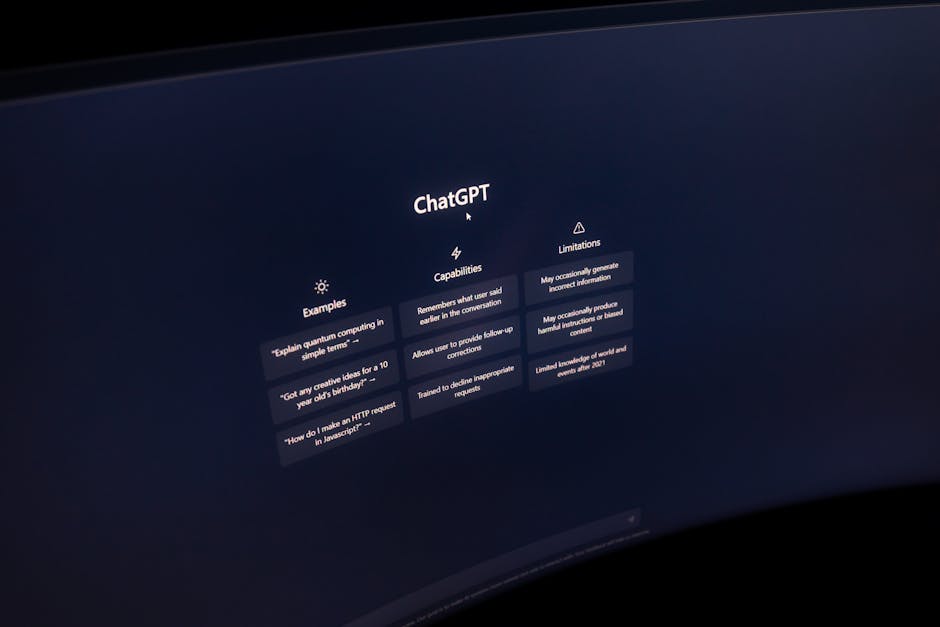
Today, AI is embedded in a wide range of applications, from recommendation engines on streaming platforms to autonomous vehicles and advanced robotics. The transition from lab experiments to real-world deployment has required not just technical breakthroughs but also new approaches to data collection, user experience, and safety validation. The following table highlights key milestones in AI’s journey from research to reality:
| Year | Milestone | Impact |
|---|---|---|
| 1956 | Dartmouth Conference | Birth of AI as a formal field |
| 1997 | IBM Deep Blue defeats Garry Kasparov | First major AI victory over a world chess champion |
| 2012 | ImageNet breakthrough with deep learning | Revolutionized computer vision tasks |
| 2016 | AlphaGo beats Lee Sedol | Demonstrated AI’s ability in complex strategy games |
| 2023 | Generative AI adoption (ChatGPT, DALL-E) | Mainstream use of AI for content creation |
Bridging the Gap: From Research Lab to Market
Transforming an AI concept into a product that serves real users involves several distinct phases. Researchers must first prove that their algorithms work under controlled conditions. This stage often takes place in universities or corporate R&D centers, where teams experiment with different models and datasets. Once a promising approach is identified, attention shifts to scalability, can the solution handle real-world data volumes and variability?
Commercialization requires collaboration between technologists, designers, business strategists, and sometimes regulatory experts. Many startups emerge from academic projects, leveraging university incubators or partnerships with established companies. For example, DeepMind began as an independent venture before being acquired by Google for its expertise in reinforcement learning.
One challenge is ensuring that AI systems perform reliably outside the lab. Real-world data can be messy or biased, requiring ongoing monitoring and adjustment. Innovators must also consider user feedback and adapt interfaces so that non-experts can benefit from advanced technology. These steps are crucial for building trust and achieving widespread adoption.
Key Sectors Transformed by AI Innovation
The impact of AI is visible across multiple industries. Healthcare providers use machine learning for early disease detection and personalized treatment plans. Financial institutions rely on AI for fraud detection, risk assessment, and algorithmic trading. In manufacturing, predictive maintenance powered by AI helps reduce downtime and optimize supply chains.
Retailers use recommendation engines to tailor shopping experiences, while logistics companies deploy AI for route optimization and demand forecasting. Even creative fields have embraced AI: artists generate music or visual art with the help of generative models, blurring the line between human creativity and machine assistance.
- Healthcare: AI-driven diagnostics improve accuracy and speed in identifying diseases such as cancer or diabetic retinopathy.
- Finance: Automated trading systems analyze market trends in real time.
- Manufacturing: Robotics and computer vision streamline quality control processes.
- Entertainment: Personalized content recommendations keep users engaged on streaming platforms.
- Transportation: Self-driving technology enhances safety and efficiency on roads.
The diversity of applications highlights how adaptable AI has become. Each sector faces unique challenges (such as data privacy in healthcare or explainability in finance) but innovators continue to push boundaries by tailoring solutions to specific needs.
The Human Element: Collaboration and Ethics in AI Development
No matter how advanced the algorithms become, successful AI deployment depends on human judgment and collaboration. Teams often include not only engineers but also ethicists, domain experts, and end users who provide critical feedback throughout development. This multidisciplinary approach helps identify potential biases or unintended consequences before products reach the market.
Ethical considerations are especially important as AI systems influence decisions about healthcare, employment, or legal matters. Organizations like the Partnership on AI advocate for transparency, fairness, and accountability in algorithmic design (partnershiponai.org). Regulatory frameworks are evolving to address issues such as data protection and algorithmic bias, ensuring that innovation does not come at the expense of public trust.
Personal experience working with cross-functional teams has shown that open communication is vital for overcoming misunderstandings between technical and non-technical stakeholders. Regular workshops or feedback sessions can surface concerns early and foster a culture of shared responsibility.
Challenges in Scaling AI Solutions
While many prototypes show promise in controlled settings, scaling up presents new obstacles. Data privacy regulations such as GDPR require careful handling of personal information (gdpr.eu). Ensuring that models remain accurate as they encounter new types of data is another persistent challenge, what works in one context may fail elsewhere due to differences in language, culture, or infrastructure.
Resource constraints can also limit adoption. Training large models demands significant computing power and energy consumption. Smaller organizations may struggle to compete with tech giants who have access to vast datasets and specialized hardware.
Despite these hurdles, open-source tools and cloud-based platforms have lowered barriers for many innovators. Community-driven projects allow researchers worldwide to collaborate on shared challenges, accelerating progress while encouraging transparency.
The Future of AI Innovation: Trends and Opportunities
The pace of AI advancement shows no signs of slowing down. Generative models are enabling new forms of creativity, while advances in explainable AI aim to make machine decisions more transparent. Edge computing is bringing intelligence closer to devices (think smart sensors or autonomous drones) reducing latency and improving privacy.
There is growing interest in “human-in-the-loop” systems that combine machine efficiency with human oversight. These approaches recognize that certain decisions require empathy or contextual understanding that machines cannot yet replicate. As a result, future innovations will likely focus on augmenting rather than replacing human capabilities.
The next wave of breakthroughs may come from interdisciplinary research that blends insights from neuroscience, psychology, and social sciences with technical expertise. By fostering diverse teams and encouraging responsible experimentation, the field can continue to deliver solutions that address complex societal challenges.
Reflecting on Progress: Lessons Learned from Lab to Life
It demands persistence, adaptability, and a willingness to learn from both success and failure. Innovators who succeed are those who listen closely to user needs while staying grounded in scientific rigor. They balance ambition with caution, recognizing that every new application brings both opportunities and responsibilities.
The story of AI’s transformation is still unfolding. By building on lessons learned so far and remaining vigilant about ethical considerations, the next generation of innovators can ensure that AI continues to improve lives around the globe.