The Rise of Autonomous AI Agents in Business Operations
Autonomous AI agents are transforming how businesses operate, introducing a new era of efficiency and innovation. These systems, capable of making decisions and executing tasks without constant human oversight, are moving beyond experimental phases into practical, everyday use. Companies across industries are integrating autonomous agents to streamline processes, reduce costs, and unlock new opportunities that were previously out of reach. The shift is not just technological, it’s reshaping roles, workflows, and even the expectations of what a business can achieve.
Understanding Autonomous AI Agents
Autonomous AI agents are software programs designed to perform tasks independently, often learning and adapting as they interact with their environment. Unlike traditional automation, which follows rigid instructions, these agents use machine learning and advanced algorithms to make context-based decisions. They can handle complex scenarios, from managing supply chains to responding to customer inquiries in real time.
One of the defining features of autonomous agents is their ability to operate with minimal human intervention. For example, in logistics, an AI agent can reroute shipments based on weather disruptions or inventory changes, all without waiting for manual approval. This level of autonomy is made possible by advances in natural language processing, reinforcement learning, and data analytics.
Businesses are increasingly drawn to these agents because they offer more than just labor savings. They bring agility and responsiveness that static systems cannot match. As a result, organizations are rethinking how work gets done, shifting from task-based roles to more strategic oversight positions for their employees.
| Traditional Automation | Autonomous AI Agents |
|---|---|
| Follows pre-set rules | Adapts to new data and situations |
| Requires frequent human input | Operates with minimal supervision |
| Limited to repetitive tasks | Handles complex, dynamic tasks |
| Static workflow | Continuously learns and improves |
Key Business Applications
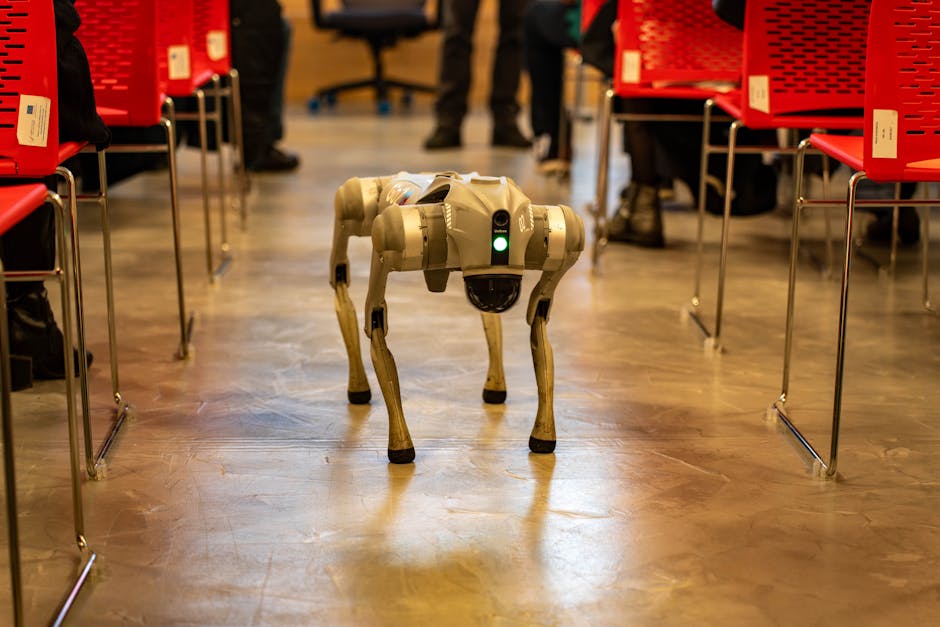
The adoption of autonomous AI agents is most visible in sectors where speed and accuracy are critical. In finance, these agents analyze market trends and execute trades at speeds no human could match. In retail, they manage inventory, predict demand, and personalize marketing campaigns by analyzing customer behavior patterns.
Manufacturing has seen a significant boost from AI-driven automation. Production lines now use agents to monitor equipment health, schedule maintenance proactively, and adjust workflows to prevent bottlenecks. Healthcare is another area where autonomous agents are making a difference, helping with patient triage, appointment scheduling, and even preliminary diagnostics based on medical records.
Some companies have started using autonomous agents for internal operations such as HR management and IT support. These agents can onboard new employees, answer routine questions, and resolve technical issues quickly. The result is a more streamlined operation that frees up human staff for higher-value work.
Benefits Driving Adoption
The rapid uptake of autonomous AI agents is fueled by tangible benefits that appeal to a broad range of businesses. Some of the most commonly cited advantages include:
- Cost Reduction: Automating routine tasks lowers labor costs and reduces the risk of human error.
- Increased Productivity: Agents work around the clock without fatigue, handling large volumes of work efficiently.
- Scalability: Businesses can scale operations up or down quickly without hiring or layoffs.
- Data-Driven Insights: Agents continuously analyze data, providing actionable insights for decision-makers.
- Enhanced Customer Experience: Faster response times and personalized interactions improve satisfaction.
These benefits are not just theoretical. According to a 2023 report by McKinsey & Company, companies that have integrated autonomous agents into their operations have seen productivity gains of up to 30% in specific functions. The ability to respond instantly to market changes or operational disruptions gives early adopters a clear competitive edge.
Challenges and Limitations
Despite the promise, deploying autonomous AI agents comes with its own set of challenges. Data privacy is a major concern, agents need access to vast amounts of information to function effectively, raising questions about security and compliance. Businesses must ensure that sensitive data is protected and that AI-driven decisions remain transparent and auditable.
Another hurdle is integration with existing systems. Many organizations have legacy infrastructure that may not be compatible with modern AI solutions. Upgrading or replacing these systems can be costly and disruptive. Additionally, there’s the issue of trust: employees may worry about job displacement or struggle to understand how decisions are being made by autonomous systems.
The technology itself is not infallible. AI agents can make mistakes if they encounter scenarios outside their training data or if the data they receive is biased or incomplete. Continuous monitoring and regular updates are essential to maintain reliability and performance.
The Human Factor: Changing Roles and Skills
The introduction of autonomous agents is prompting a shift in workplace dynamics. Rather than replacing humans outright, these systems often change the nature of jobs, moving workers from repetitive tasks to roles that require oversight, creativity, or emotional intelligence. For instance, customer service representatives may spend less time answering routine questions and more time handling complex cases that require empathy or nuanced judgment.
This transition requires investment in training and upskilling. Employees need to understand how to collaborate with AI systems, interpret their outputs, and intervene when necessary. Some companies are creating hybrid teams where humans and AI agents work side by side, each playing to their strengths.
I’ve seen firsthand how organizations benefit when they focus on reskilling rather than replacement. In one mid-sized logistics firm I consulted for, introducing autonomous scheduling agents allowed dispatchers to shift from manual route planning to optimizing customer relationships, a move that improved both morale and service quality.
Ethical Considerations and Regulation
The growing influence of autonomous AI agents has sparked debates about ethics and accountability. Who is responsible when an agent makes a mistake? How do we ensure fairness in decision-making processes? These questions are especially relevant in sectors like finance or healthcare, where errors can have serious consequences.
Regulators are beginning to address these concerns by developing guidelines for transparency, explainability, and bias mitigation in AI systems. The European Union’s AI Act is one example of legislation aimed at setting standards for trustworthy AI deployment (ec.europa.eu). Companies adopting autonomous agents must stay informed about evolving regulations to avoid legal pitfalls and maintain public trust.
The Road Ahead: Future Trends
The capabilities of autonomous AI agents continue to expand as research advances. Multi-agent systems (where several agents collaborate or compete) are being explored for complex environments like supply chain management or smart cities. Integration with Internet of Things (IoT) devices is enabling real-time decision-making at the edge, further reducing latency and improving responsiveness.
Personalization is another trend gaining traction. Businesses are using AI agents not just for operational efficiency but also for tailoring products and services to individual preferences. This shift promises deeper customer engagement but also raises new questions about data ethics and consent.
The next few years will likely see more businesses adopting autonomous agents as barriers to entry fall and success stories accumulate. However, sustainable growth will depend on balancing innovation with responsibility, ensuring that technology serves both organizational goals and broader societal interests.
The integration of autonomous AI agents into business operations marks a significant step forward in how organizations approach efficiency and innovation. By automating complex tasks and enabling faster decision-making, these systems offer clear advantages over traditional methods. Yet their adoption brings new challenges around data privacy, system integration, workforce adaptation, and ethical considerations that cannot be overlooked.
As businesses continue to experiment with and refine these technologies, the focus will increasingly shift toward responsible deployment, balancing productivity gains with transparency and accountability.