How Generative AI is Transforming Content Creation
Generative AI has become a central topic in discussions about digital content. Its influence is visible in how text, images, audio, and video are produced and distributed. The technology is not just a tool for automation; it is changing the way creators, businesses, and consumers approach content. This shift is grounded in advances in machine learning, particularly large language models and image generators, which have reached a level of sophistication that allows them to generate content that is often indistinguishable from human work.
Interest in generative AI has grown rapidly since 2022, following the release of accessible tools like OpenAI’s ChatGPT and DALL-E. These platforms demonstrated that AI could write articles, create artwork, and even compose music with minimal human input. As a result, content creation workflows have started to adapt, integrating AI to improve efficiency and scale. This trend is not limited to tech companies; publishers, marketers, educators, and independent creators are all exploring how generative AI can support their goals.
The conversation around generative AI is not only about productivity. It also involves questions about originality, copyright, bias, and Understanding these changes requires a close look at how generative AI works, its applications, and the challenges it brings. This article examines these aspects with a focus on credible research and practical examples.
Understanding Generative AI: How It Works
Generative AI refers to algorithms that can produce new content based on patterns learned from large datasets. The most common types are language models (like GPT-4) and image generators (such as Midjourney or Stable Diffusion). These systems use deep learning techniques to analyze vast amounts of data (text from books and websites, images from online databases) and then generate new outputs that resemble the training material.
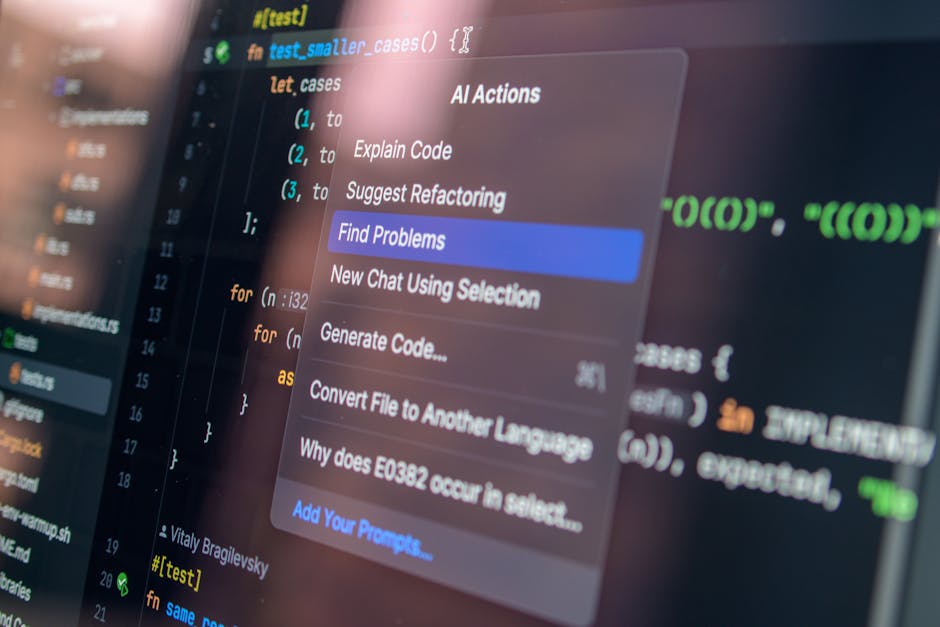
Language models function by predicting the next word or phrase in a sequence, allowing them to write coherent paragraphs or even entire articles. Image generators work by learning visual styles and structures, enabling them to create realistic pictures from textual descriptions. Both rely on neural networks with millions or billions of parameters that adjust during training to improve accuracy.
One key feature of generative AI is its adaptability. Users can fine-tune models for specific tasks, such as writing product descriptions or generating marketing visuals. This flexibility makes the technology suitable for a range of industries beyond media and entertainment.
Despite their power, these systems have limitations. They can reproduce biases present in their training data and sometimes generate inaccurate or nonsensical content. Developers address these issues through ongoing research and model updates. For more details on model development and limitations, see Nature.
Applications in Content Creation
Generative AI tools are now part of daily workflows for many content creators. They help with brainstorming ideas, drafting text, editing images, and even producing videos. The following list highlights some common applications:
- Automated article writing for blogs and news sites
- Social media post generation
- Visual content creation for marketing campaigns
- Scriptwriting for podcasts and videos
- Personalized email and message drafting
In publishing, AI-generated summaries and translations are becoming standard features. Marketing teams use AI to test different ad copy variations quickly. Video creators leverage tools that generate storyboards or edit footage automatically. These applications save time and allow professionals to focus on higher-level creative decisions.
The table below summarizes some leading generative AI tools used in content creation:
| Tool Name | Primary Function | Industry Use |
|---|---|---|
| ChatGPT | Text generation | Publishing, Customer Service |
| DALL-E | Image creation | Marketing, Design |
| Jasper | Copywriting automation | Advertising, E-commerce |
| Lumen5 | Video creation from text | Social Media, Education |
| Canva AI Tools | Design assistance | Branding, Content Marketing |
Impact on Creative Professions
The introduction of generative AI has changed the skill sets required in creative fields. Writers now need to understand prompt engineering, crafting instructions that guide AI to produce desired results. Designers are learning how to blend AI-generated elements with traditional techniques. The role of editors has shifted toward curating and refining AI outputs rather than creating everything from scratch.
This evolution has sparked debates about job security and the value of human creativity. Some fear that automation will reduce opportunities for writers, artists, and editors. However, industry surveys suggest that most professionals see AI as a tool that enhances rather than replaces their work. According to a 2023 report by McKinsey & Company (McKinsey & Company), generative AI could automate up to 30% of hours worked in creative industries but also create demand for new skills related to AI oversight and integration.
The shift is also visible in education. Universities are updating curricula to include courses on AI literacy for media students. Workshops on ethical use of generative tools are becoming common in professional development programs.
Collaboration between humans and AI is emerging as a best practice. Teams combine human judgment with machine efficiency to produce content faster while maintaining quality standards.
Ethical Considerations and Challenges
The rise of generative AI brings several ethical questions. One concern is originality, AI can generate content that closely resembles existing works, raising copyright issues. Legal frameworks are still catching up with these developments. The U.S. Copyright Office clarified in 2023 that works created solely by AI are not eligible for copyright protection (U.S. Copyright Office). This guidance affects how businesses use AI-generated materials in commercial projects.
Bias is another challenge. Since AI models learn from existing data, they can perpetuate stereotypes or misinformation if not carefully managed. Developers are working on methods to detect and reduce bias in outputs, but there is no perfect solution yet.
Misinformation is a growing risk as well. Generative AI can produce convincing fake news or deepfake videos that are difficult to distinguish from real content. Fact-checking organizations are investing in new tools to identify AI-generated material.
Transparency is important for building trust with audiences. Many publishers now disclose when content has been created or assisted by AI. This practice helps maintain credibility and allows readers to make informed judgments about what they consume.
The Future of Content Creation with Generative AI
The capabilities of generative AI continue to expand as research progresses. Multimodal models (those that handle text, images, audio, and video together) are becoming more common. This development enables richer forms of storytelling and interactive experiences.
Personalization is another area where generative AI shows promise. By analyzing user preferences and behavior, AI can tailor content recommendations or even generate custom articles for individual readers. Streaming platforms already use similar technology to suggest movies or songs.
The cost of producing high-quality content is decreasing as tools become more accessible. Small businesses and independent creators can now compete with larger organizations by leveraging free or low-cost generative platforms.
At the same time, there is growing recognition of the need for responsible use. Industry groups are developing guidelines for ethical deployment of generative AI in media and marketing (WFA Generative AI Guidelines). These efforts aim to balance innovation with accountability.
Key Takeaways for Consumers and Creators
Generative AI offers significant benefits for content creation but also requires careful management. For consumers, it means access to more diverse and personalized media experiences. For creators, it opens up new possibilities for collaboration and efficiency while demanding new skills related to technology oversight.
- AI-generated content is becoming standard in publishing, marketing, and entertainment.
- Professionals need to adapt by learning prompt engineering and ethical guidelines.
- Transparency about the use of AI builds trust with audiences.
- Ongoing research addresses issues like bias and copyright concerns.
- The technology will continue to evolve rapidly as adoption increases across industries.
The transformation driven by generative AI is reshaping expectations around creativity and productivity in digital media. Staying informed about best practices and emerging trends will help both consumers and professionals navigate this changing environment with confidence.