The environmental impact of cloud data centers and green solutions
Cloud data centers have become the backbone of digital infrastructure, powering everything from streaming services to online banking. As demand for cloud computing grows, so does the energy required to keep these facilities running. The environmental footprint of data centers is now a topic of global concern, with their electricity consumption and carbon emissions drawing scrutiny from scientists, policymakers, and consumers alike. Addressing these challenges has prompted a wave of innovation, as the tech industry seeks sustainable solutions that balance performance with environmental responsibility.
Understanding the Scale of Cloud Data Centers
Modern cloud data centers are vast complexes filled with thousands of servers, networking equipment, and cooling systems. These facilities operate around the clock, ensuring uninterrupted access to digital services. According to the International Energy Agency (iea.org), data centers accounted for about 1-1.5% of global electricity use in 2022, a figure that continues to rise as more businesses migrate to the cloud.
The energy intensity of data centers stems from two main sources: powering the servers themselves and maintaining optimal temperatures to prevent overheating. Even with advances in server efficiency, the sheer scale of operations means that small improvements can have significant impacts on overall consumption. The following table highlights key statistics related to data center energy use and emissions:
| Metric | 2010 | 2022 |
|---|---|---|
| Global Data Center Energy Use (TWh) | 194 | 220-320 |
| Share of Global Electricity (%) | 1.1% | 1-1.5% |
| Estimated CO₂ Emissions (Mt) | 110 | ~200 |
These numbers illustrate why the environmental impact of cloud infrastructure is an urgent issue for both industry leaders and environmentally conscious consumers.
Main Environmental Impacts of Data Centers
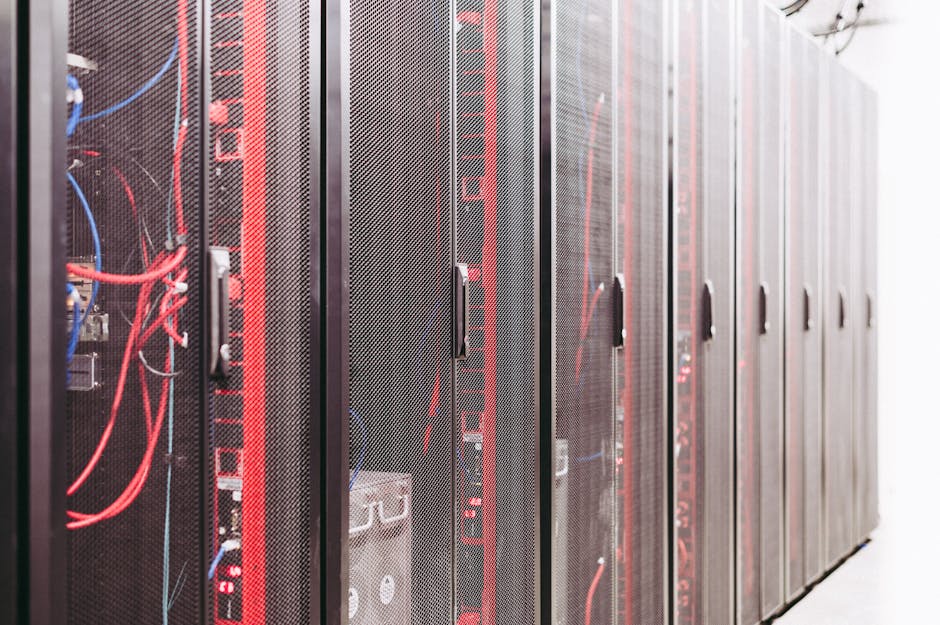
The most significant environmental concern associated with cloud data centers is their carbon footprint. This arises primarily from electricity generation, especially in regions where fossil fuels remain the dominant energy source. In addition to greenhouse gas emissions, data centers contribute to local heat pollution and water consumption, particularly where water-based cooling systems are used.
Another challenge is electronic waste. Servers and networking hardware have relatively short lifespans due to rapid technological advancements. Disposing of outdated equipment can lead to hazardous materials entering landfills if not managed responsibly.
Key environmental impacts include:
- High electricity consumption: Continuous operation requires vast amounts of power.
- Carbon emissions: Dependent on the local energy mix, with coal-heavy grids producing more emissions.
- Water usage: Cooling systems may consume millions of liters annually.
- E-waste generation: Old servers and parts must be recycled or disposed of safely.
The Push for Renewable Energy in Cloud Operations
One of the most effective strategies for reducing the environmental impact of data centers is transitioning to renewable energy sources. Leading cloud providers such as Google, Microsoft, and Amazon have committed to powering their operations with 100% renewable energy, investing heavily in wind, solar, and hydroelectric projects (microsoft.com). These efforts not only cut carbon emissions but also encourage broader adoption of clean energy in the regions where data centers are located.
Some companies go further by signing long-term power purchase agreements (PPAs) with renewable energy producers, ensuring a stable supply of green power. In certain cases, data centers are strategically sited near renewable energy sources to minimize transmission losses and maximize sustainability benefits.
Despite these advances, challenges remain. Not all regions offer reliable access to renewables, and fluctuations in supply can complicate operations. Storage technologies and grid modernization are essential for making renewable-powered data centers viable at scale.
Innovations in Data Center Design and Cooling
The design of data centers has evolved rapidly in response to environmental concerns. Traditional air conditioning systems are being replaced or supplemented by more efficient cooling methods. For example, some facilities use outside air for “free cooling” during cooler months or deploy liquid cooling systems that transfer heat more effectively than air-based approaches.
Microsoft’s underwater data center experiment off the coast of Scotland demonstrated how submersion in cold seawater could reduce cooling needs and improve hardware reliability (bbc.com). Meanwhile, Google has implemented AI-driven controls that optimize cooling systems in real time, reducing energy use by up to 30% in some locations.
Sustainable building materials and modular construction techniques also play a role in minimizing environmental impact. By using prefabricated components and recycled materials, companies can reduce waste and streamline construction processes.
The Role of Software Optimization and Virtualization
Hardware efficiency is only part of the equation; software optimization can also yield substantial energy savings. Virtualization allows multiple applications to run on a single physical server, improving utilization rates and reducing the number of machines required. Containerization technologies like Docker further streamline resource allocation, enabling more flexible and efficient use of computing power.
Advanced workload management tools distribute tasks across servers based on real-time demand, shutting down idle machines or shifting workloads to regions with surplus renewable energy. These strategies not only lower operational costs but also contribute directly to sustainability goals.
I’ve seen firsthand how software-driven improvements can make a difference. In one project involving a mid-sized enterprise migration to the cloud, careful tuning of virtual machines and storage policies led to a measurable drop in monthly power usage, without sacrificing performance or reliability.
Circular Economy Approaches: Reducing E-Waste and Extending Lifespans
Tackling electronic waste is another critical aspect of greening cloud infrastructure. Many tech companies now embrace circular economy principles by refurbishing old servers, reselling used hardware, or recycling components responsibly. Some providers offer take-back programs that ensure outdated equipment is processed according to strict environmental standards.
Designing hardware for easy disassembly and repair extends product lifespans and reduces material waste. Partnerships with certified e-waste recyclers help keep hazardous substances out of landfills while recovering valuable metals for reuse in new devices.
This shift toward circularity is gaining traction as both regulatory requirements and consumer expectations evolve. It’s encouraging to see more organizations prioritize responsible disposal practices alongside their efforts to cut emissions and save energy.
The Consumer’s Role: Choosing Green Cloud Services
Consumers have more influence over cloud sustainability than they might realize. By selecting providers with strong environmental commitments (such as those publishing transparent sustainability reports or holding third-party certifications) users can support greener practices throughout the tech sector.
When evaluating cloud services, look for:
- Renewable energy commitments: Providers that match or exceed their total consumption with green power purchases.
- Sustainability certifications: Recognitions like LEED or ENERGY STAR for data center facilities.
- E-waste management policies: Clear guidelines for responsible hardware disposal and recycling.
- Transparent reporting: Regular updates on carbon emissions, water use, and progress toward sustainability goals.
Making informed choices sends a clear signal to the industry that sustainability matters, not just for large enterprises but for individual users as well.
Looking Ahead: Challenges and Opportunities for Greener Cloud Computing
While progress has been made in areas like renewable energy adoption and efficient cooling technologies, rapid growth in digital demand means that absolute energy use may continue to rise unless further breakthroughs occur. Collaboration between technology companies, regulators, utilities, and consumers will be essential for driving systemic change.
Emerging trends such as edge computing (where processing occurs closer to users) may help reduce transmission losses and improve overall efficiency. Continued investment in research and development will be key to unlocking new solutions that minimize environmental impact without compromising service quality or accessibility.
The environmental impact of cloud data centers is a complex challenge shaped by technology choices, business practices, and consumer behavior. While significant hurdles remain, the industry’s commitment to renewable energy, innovative design, software optimization, and circular economy principles offers hope for a more sustainable digital future. As awareness grows and solutions mature, both providers and users have an opportunity (and a responsibility) to make choices that benefit the planet as well as their bottom line.
By staying informed about green solutions and supporting companies that prioritize sustainability, everyone can play a part in reducing the ecological footprint of cloud computing. The path forward will require ongoing vigilance, creativity, and collaboration, but it’s clear that meaningful progress is possible when environmental stewardship becomes a shared priority across the digital ecosystem.