Integrating IoT devices with modern cloud ecosystems
Smart home devices, wearable fitness trackers, and connected appliances have become common in many households. These products, known as Internet of Things (IoT) devices, rely on cloud technologies to deliver their full range of features. This article explains how IoT devices work with the cloud, the benefits and challenges of integration, and what users should consider when setting up their own connected environments.
IoT devices generate large amounts of data, from temperature readings to video streams. Instead of processing all this information locally, most devices send it to cloud platforms for storage and analysis. This approach allows users to access their data from anywhere, automate tasks, and benefit from updates without manual intervention. Cloud integration also supports scalability, so users can add new devices without overhauling their systems.
The relationship between IoT and the cloud is not just about convenience. Security, privacy, and interoperability are key concerns that influence how these systems are designed and managed. As technology advances, companies are developing new standards and tools to address these issues, making it easier for everyday users to build secure and reliable smart environments.
How IoT Devices Connect to Cloud Ecosystems
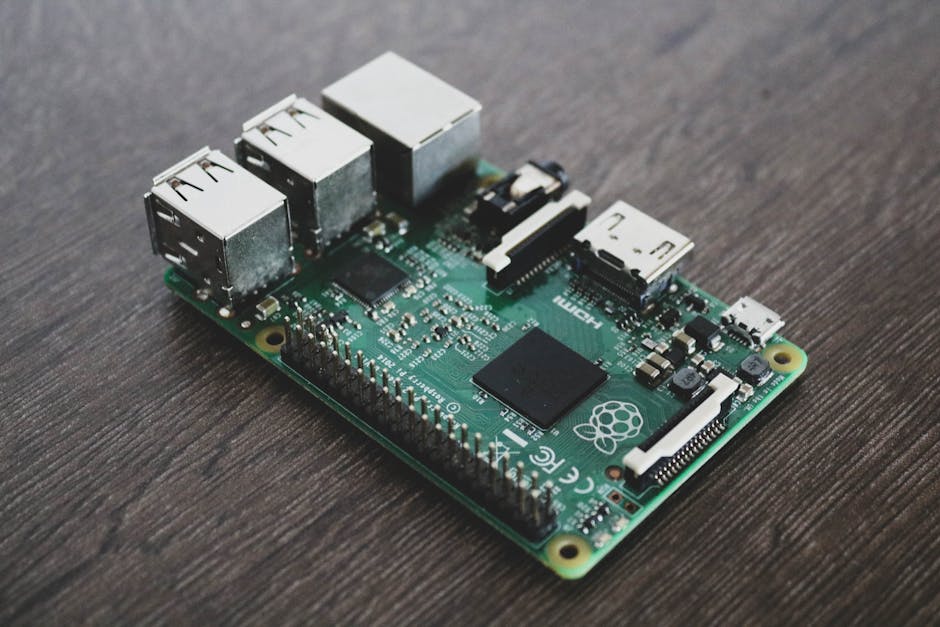
IoT devices use a combination of hardware, software, and network protocols to communicate with cloud services. Most devices connect to the internet through Wi-Fi, cellular networks, or specialized protocols like Zigbee or LoRaWAN. Once online, they send data to cloud servers using secure channels such as HTTPS or MQTT (Message Queuing Telemetry Transport).
Cloud platforms act as central hubs for device management and data processing. Leading providers like Amazon Web Services (AWS IoT), Microsoft Azure IoT Hub, and Google Cloud IoT offer tools for device registration, authentication, data ingestion, and analytics. These platforms allow developers to build applications that interact with multiple devices at once, automate responses based on sensor data, and visualize trends over time.
To ensure smooth communication between devices and the cloud, manufacturers often use standardized APIs (Application Programming Interfaces) and SDKs (Software Development Kits). These tools simplify integration by providing pre-built functions for common tasks like sending telemetry data or receiving firmware updates.
Some IoT solutions also support edge computing, where certain tasks are processed locally on the device or a nearby gateway before sending results to the cloud. This reduces latency and bandwidth usage while maintaining access to cloud-based analytics and storage.
Benefits of Integrating IoT with Modern Cloud Platforms
Connecting IoT devices to the cloud offers several advantages for both consumers and organizations. The most notable benefits include:
- Remote Access: Users can monitor and control their devices from anywhere with an internet connection.
- Scalability: Cloud platforms can handle thousands or even millions of connected devices without performance loss.
- Data Analytics: Advanced analytics tools help users gain insights from device data, supporting better decision-making.
- Automatic Updates: Devices can receive firmware updates remotely, improving security and functionality.
- Integration with Other Services: Cloud ecosystems enable connections with third-party applications, voice assistants, and automation tools.
For businesses, cloud integration supports predictive maintenance by analyzing sensor data to detect equipment issues before they cause downtime. In healthcare, remote monitoring devices send patient data to cloud systems for real-time analysis by medical professionals (NCBI). Smart cities use IoT-cloud integration to manage traffic lights, monitor air quality, and optimize energy consumption.
The table below summarizes key benefits of IoT-cloud integration for different user groups:
| User Group | Key Benefit | Example |
|---|---|---|
| Home Users | Convenience & Automation | Smart thermostats adjust temperature based on occupancy |
| Businesses | Operational Efficiency | Predictive maintenance for industrial equipment |
| Healthcare Providers | Remote Monitoring | Wearable devices track patient vitals in real time |
| Cities & Municipalities | Resource Optimization | IoT sensors manage street lighting based on traffic flow |
Main Challenges in Integrating IoT Devices with Cloud Ecosystems
Despite the advantages, integrating IoT devices with cloud platforms presents several challenges. Security is a primary concern. Devices often have limited processing power and memory, making it difficult to implement robust encryption or intrusion detection. If not properly secured, these devices can become entry points for cyberattacks (CISA).
Privacy is another issue. Many IoT devices collect sensitive information such as location data or health metrics. Users must trust that manufacturers and service providers handle this data responsibly and comply with regulations like GDPR or HIPAA where applicable.
Interoperability remains a technical hurdle. Different manufacturers may use proprietary protocols or closed ecosystems that limit compatibility with other brands or platforms. Industry groups like the Connectivity Standards Alliance are working on open standards such as Matter to improve device compatibility across vendors (CSA-IoT.org).
The following list highlights common challenges faced during integration:
- Lack of standardization across device manufacturers
- Difficulties in updating legacy devices for cloud compatibility
- Bandwidth limitations in areas with poor connectivity
- Managing large volumes of data efficiently
- Ensuring long-term support for device firmware and software
Key Considerations for Consumers Setting Up Connected Devices
When choosing IoT products for home or business use, consumers should evaluate several factors to ensure a smooth experience. Compatibility is important; selecting devices that support open standards or work within the same ecosystem reduces setup complexity. Security features such as two-factor authentication, encrypted communication, and regular firmware updates should be prioritized.
User privacy settings deserve careful attention. Many platforms allow users to control what data is collected and how it is shared. Reviewing privacy policies before connecting devices helps avoid unwanted surprises later on.
The reliability of internet connectivity also affects performance. Devices that support offline operation or local control can continue functioning during network outages. Battery life and power consumption are additional considerations for wireless sensors or portable gadgets.
The following checklist can help guide purchasing decisions:
- Check compatibility with existing smart home platforms (e.g., Alexa, Google Home)
- Review security features offered by the manufacturer
- Understand privacy controls and data sharing policies
- Assess ease of installation and user interface quality
- Consider long-term support and update policies
The Role of Edge Computing in IoT-Cloud Integration
Edge computing has become an important part of modern IoT-cloud integration strategies. Instead of sending all data directly to the cloud, some processing occurs locally on the device or a nearby gateway. This approach reduces latency for time-sensitive applications such as industrial automation or autonomous vehicles.
Edge computing also helps manage bandwidth usage by filtering or aggregating data before transmission. For example, a security camera might analyze video feeds locally to detect motion and only upload relevant clips to the cloud for storage or further analysis.
This hybrid model combines the strengths of both edge and cloud computing. Users benefit from fast response times while still accessing powerful analytics tools in the cloud. According to a report by Gartner, more than half of enterprise-generated data will be created and processed outside traditional data centers by 2025, highlighting the growing importance of edge solutions.
The Future of IoT-Cloud Integration: Trends and Developments
The integration of IoT devices with cloud ecosystems continues to evolve as new technologies emerge. Artificial intelligence (AI) is increasingly used alongside IoT data in the cloud to enable predictive analytics, anomaly detection, and automation. For instance, AI-powered platforms can identify patterns in sensor data that signal equipment failure or optimize energy usage in real time.
The adoption of 5G networks is expected to accelerate IoT-cloud integration by providing faster speeds and lower latency for connected devices. This improvement will support applications such as augmented reality experiences or remote-controlled machinery that require near-instantaneous communication (Ericsson Mobility Report).
Sustainability is another area gaining attention. Companies are developing energy-efficient hardware and software solutions to reduce the environmental impact of large-scale IoT deployments. Efforts include optimizing data transmission protocols and designing low-power sensors that extend battery life.
The table below outlines some emerging trends in IoT-cloud integration:
| Trend | Description | Potential Impact |
|---|---|---|
| AI Integration | Using machine learning models to analyze IoT data in real time | Improved automation and predictive capabilities |
| 5G Connectivity | Faster wireless networks supporting more devices simultaneously | Enhanced performance for mission-critical applications |
| Sustainability Initiatives | Developing eco-friendly hardware and efficient protocols | Lower energy consumption across deployments |
| Open Standards Adoption | Industry-wide efforts to improve device interoperability (e.g., Matter) | Simplified setup and broader compatibility for consumers |
The integration of IoT devices with modern cloud ecosystems has changed how people interact with technology at home, at work, and across entire cities. By understanding how these systems connect, their benefits, common challenges, and emerging trends, users can make informed decisions about adopting connected products. As industry standards mature and new technologies become available, setting up secure and reliable smart environments will become even more accessible for everyone interested in harnessing the power of IoT.