How quantum computing could disrupt traditional cloud services
Imagine you’re streaming your favorite show, storing family photos, or running a business app, all powered by invisible servers in the cloud. Now, picture a new kind of computer, one that doesn’t just crunch numbers faster but redefines what’s possible. That’s quantum computing. It’s not just a buzzword from science fiction; it’s a technology on the brink of shaking up the very foundation of cloud services as we know them.
What Makes Quantum Computing So Different?
Let’s start with the basics. Traditional computers, including those powering today’s cloud giants like Amazon Web Services and Google Cloud, process information in bits, ones and zeros. Quantum computers, on the other hand, use qubits. These can be both one and zero at the same time, thanks to a property called superposition. Add in entanglement (where qubits influence each other instantly, no matter the distance), and suddenly you have machines that can tackle certain problems exponentially faster than any classical computer.
Think of it like this: if traditional computing is a single-lane road, quantum computing is a sprawling superhighway with countless lanes, each lane representing a different solution being explored simultaneously. This isn’t just about speed; it’s about opening doors to problems we couldn’t even approach before.
How Quantum Could Upend Today’s Cloud Services
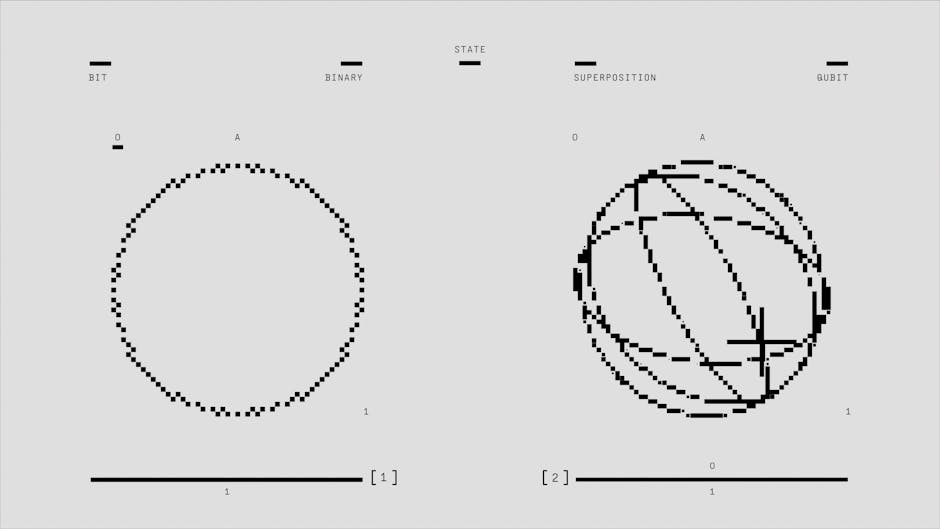
Cloud services have become the backbone of our digital lives, handling everything from email to massive data analytics. But quantum computing threatens to flip this model on its head in several ways:
- Security and Encryption: Most cloud data is protected by encryption algorithms like RSA or ECC, which would take classical computers millions of years to crack. Quantum computers could break these codes in minutes or hours using algorithms such as Shor’s algorithm (Nature). This means cloud providers must rethink security from the ground up.
- Processing Power: Tasks that currently require entire server farms (like simulating molecules for drug discovery or optimizing global supply chains) could be handled by a single quantum processor. This could dramatically reduce the need for traditional data centers.
- New Services and Business Models: With quantum capabilities, cloud providers could offer entirely new services: ultra-fast AI training, real-time financial modeling, or next-generation logistics planning. The very definition of “cloud computing” could shift from renting virtual machines to accessing specialized quantum resources on demand.
| Traditional Cloud | Quantum Cloud |
|---|---|
| Relies on classical CPUs/GPUs | Leverages quantum processors (qubits) |
| Secured by classical encryption | Vulnerable to quantum attacks; requires quantum-safe encryption |
| Linear scaling for complex tasks | Potential for exponential speedup in select applications |
| General-purpose workloads | Specialized workloads (optimization, simulation, cryptography) |
The Roadblocks: Why Quantum Isn’t Eating the Cloud Just Yet
If quantum computers are so powerful, why aren’t they everywhere already? The reality is, building and running a quantum computer is incredibly hard. Qubits are delicate, they need to be kept colder than outer space and shielded from even the tiniest vibrations or electromagnetic noise. Most current machines can only handle a few dozen reliable qubits, far short of what’s needed for world-changing applications.
Another challenge: quantum computers aren’t just “faster” versions of what we have now. They solve different kinds of problems. For everyday tasks like word processing or web hosting, classical computers will remain king for the foreseeable future.
Still, tech giants are investing heavily. IBM has put its quantum computers online via IBM Quantum Experience, letting researchers and businesses experiment with real quantum hardware through the cloud. Microsoft’s Azure Quantum and Google’s Quantum AI are racing to build similar platforms. The goal? To make quantum power accessible without needing to own a fridge-sized machine yourself.
What Will Change for Cloud Users?
The arrival of practical quantum computing won’t just be a behind-the-scenes upgrade (it will reshape how we interact with cloud services:
- Stronger Security Standards: Expect a shift to “post-quantum” cryptography) algorithms designed to withstand quantum attacks. The U.S. National Institute of Standards and Technology (NIST) is already working on new standards (NIST), and cloud providers will need to adopt them quickly.
- Hybrid Cloud Models: For years, we’ll see hybrid setups where classical and quantum resources work side by side. You might run your website on regular servers but tap into quantum power for specific tasks like portfolio optimization or chemical simulations.
- Access to New Tools: Just as cloud computing made supercomputers accessible to startups and students, “quantum-as-a-service” could democratize access to this next-gen technology. Imagine running simulations or cracking complex codes from your laptop, powered by a quantum processor halfway across the world.
- Cost Structures: Quantum resources will likely be expensive at first, but as technology matures, costs could drop, just as they did with classical cloud computing over the past decade.
Navigating the Quantum Future: What Should You Watch For?
The transition won’t happen overnight, but there are clear signs that quantum disruption is coming. Here’s what to keep an eye on:
- Cloud Provider Announcements: Watch for news from major players like Amazon, Microsoft, Google, and IBM as they roll out new quantum capabilities or partnerships.
- Security Updates: If you’re running sensitive workloads in the cloud, pay attention to updates about post-quantum encryption standards and migration timelines.
- Industry-Specific Applications: Sectors like pharmaceuticals, finance, logistics, and materials science will likely see the earliest benefits (and disruptions) from quantum-powered cloud services.
- Education and Training: As quantum becomes more mainstream, expect a surge in online courses and certifications aimed at helping developers and IT professionals get up to speed.
The bottom line? Quantum computing won’t replace traditional cloud services overnight, but it will force them to evolve in ways that are both exciting and unpredictable. Whether you’re a tech enthusiast or just someone who relies on the cloud every day, this is a revolution worth watching closely. The next time you upload a photo or crunch some numbers in an online spreadsheet, remember:
References:
- “Quantum Computing: Progress and Prospects,” National Academies Press (2019)
- NIST Post-Quantum Cryptography Project: NIST
- “The Quantum Computing Threat to Cybersecurity,” Nature
- IBM Quantum Experience: IBM Quantum Computing
- “How Quantum Computing Will Change Cloud Security,” Forbes