Voice and Vision AI Enhancing Accessibility Worldwide
Imagine navigating a city where every street sign is instantly read aloud, or reading a book with your eyes closed as the words are described in vivid detail. This isn’t science fiction, it’s the reality for millions, thanks to the rapid evolution of voice and vision technologies. These tools are transforming accessibility, breaking down barriers that once seemed insurmountable.
The Power of Voice: Speech Technology as a Universal Key
Think about the last time you asked your phone for directions or dictated a message while driving. Now, imagine relying on that technology not just for convenience, but as a lifeline. Speech recognition and voice synthesis have become essential tools for people with visual impairments, mobility challenges, or learning disabilities. The magic lies in their ability to turn spoken words into actions and written text into natural-sounding speech.
Take screen readers, for example. Tools like JAWS and NVDA have been around for years, but recent advances have made them more intuitive and responsive. These programs interpret everything on a screen (emails, web pages, even complex spreadsheets) and read them out loud. With improvements in natural language processing, the voices sound less robotic and more like a helpful companion guiding you through your day.
Voice assistants such as Amazon Alexa and Google Assistant have gone mainstream, but their accessibility features are game-changers. Users can control smart home devices, set reminders, or get news updates, all hands-free. For someone with limited mobility, this means independence in ways that were once unthinkable. According to the World Health Organization, over a billion people live with some form of disability worldwide; voice technology is rapidly becoming their universal remote.
Vision Technology: Seeing Beyond Sight
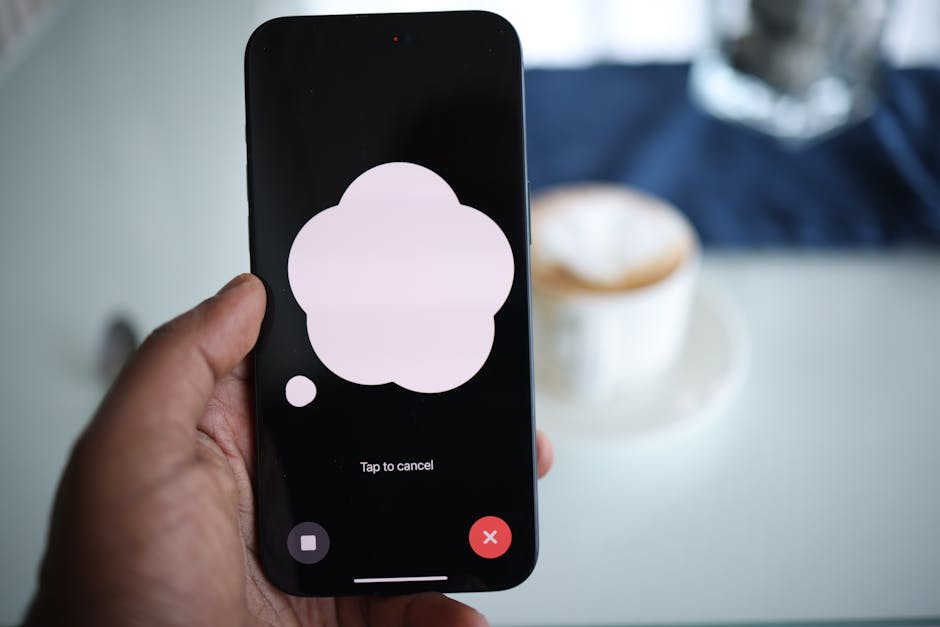
Now let’s shift focus to vision technology, tools that interpret the visual world and translate it into something everyone can understand. Imagine an app that can describe a photograph, identify objects in a room, or even read handwriting aloud. That’s exactly what solutions like Microsoft’s Seeing AI and Google’s Lookout offer.
These apps use advanced image recognition to narrate the world around you. For instance, Seeing AI can scan a restaurant menu and read it out loud or identify currency notes by simply pointing your phone’s camera at them. In crowded airports or unfamiliar cities, this kind of assistance is invaluable. It’s like having a personal guide in your pocket.
But the benefits aren’t limited to those with visual impairments. Vision technology is also helping people with dyslexia by converting text into easy-to-read formats or audio. In classrooms, teachers use tools that convert written instructions into spoken words, ensuring no student is left behind.
| Technology | Primary Function | Who Benefits Most |
|---|---|---|
| Screen Readers (JAWS, NVDA) | Reads digital text aloud | People with visual impairments |
| Voice Assistants (Alexa, Google Assistant) | Voice-controlled tasks and information | People with mobility or dexterity challenges |
| Seeing AI | Describes scenes and reads text via camera | People with low vision or blindness |
| Speech-to-Text Apps | Converts spoken words to written text | People with hearing loss or speech difficulties |
| Text-to-Speech Tools | Reads written content aloud | People with dyslexia or learning disabilities |
Breaking Language Barriers: Accessibility for All
Accessibility isn’t just about physical or sensory limitations; it’s also about making information available to everyone, regardless of language or literacy level. Voice and vision technologies are bridging these gaps in remarkable ways.
Consider real-time translation tools that listen to spoken language and instantly provide subtitles or translations. Apps like Google Translate now offer live transcription and augmented reality translation, just point your camera at a sign in a foreign country, and the words appear in your native language. This empowers travelers, immigrants, and anyone navigating unfamiliar environments.
In education, students who struggle with reading can listen to textbooks in their preferred language or have complex diagrams described to them in detail. This isn’t just convenient, it’s transformative. According to a 2022 report from UNESCO, accessible learning tools have led to measurable improvements in literacy rates among students with disabilities worldwide.
- Instant translation: Breaks down language barriers in real time.
- Augmented reality: Overlays translated text on physical objects for easier navigation.
- Multilingual support: Ensures accessibility across diverse populations.
Challenges and Ethical Considerations
No technology is perfect, and voice and vision tools come with their own set of challenges. Privacy is a major concern, devices that are always listening or watching raise questions about data security. There’s also the issue of bias; if training data doesn’t represent diverse voices or appearances, some users may find these tools less accurate or even unusable.
Another challenge is affordability. While many apps are free or low-cost, specialized hardware can be expensive. Governments and organizations are working to address this gap, initiatives like Apple’s Accessibility features being built into every device at no extra cost are steps in the right direction (Apple Accessibility).
The digital divide remains real: rural communities or developing countries may lack the infrastructure needed for these technologies to work reliably. Addressing these disparities requires collaboration between tech companies, policymakers, and advocacy groups.
- Privacy: Ensuring user data is protected at every step.
- Diversity: Training systems on varied voices, languages, and appearances.
- Affordability: Making sure solutions reach those who need them most.
- Infrastructure: Expanding access to reliable internet and devices globally.
The Road Ahead: A More Inclusive World
Voice and vision technologies are not just gadgets, they’re bridges connecting people to opportunities, information, and each other. As these tools become more sophisticated and widespread, their potential to level the playing field grows exponentially.
Picture a world where everyone can participate fully, where a student with dyslexia listens to her favorite novel on the bus, an elderly man navigates his smart home with simple voice commands, or a traveler instantly understands street signs in a new city. These scenarios aren’t distant dreams; they’re unfolding right now in homes, schools, and workplaces around the globe.
By keeping users at the center of development and listening to their feedback, we can ensure that accessibility isn’t an afterthought but a fundamental feature of modern life.
The future looks bright and it sounds and sees better than ever before.
References:
- World Health Organization: Disability and health (who.int)
- UNESCO: Education for people with disabilities (unesco.org)
- Apple Accessibility Features (apple.com/accessibility)
- Microsoft Seeing AI (microsoft.com/seeing-ai)
- Google Lookout (support.google.com/accessibility)