The Impact of Edge AI on Smart Devices and IoT
Imagine your morning routine: your smartwatch tracks your sleep, your thermostat adjusts the temperature before you even get out of bed, and your coffee maker starts brewing just as you walk into the kitchen. This seamless orchestration isn’t magic, it’s the result of a quiet revolution happening inside our devices. At the heart of this transformation is edge intelligence, which is fundamentally changing how smart devices and the Internet of Things (IoT) operate.
The Shift from Cloud to Local Intelligence
Not too long ago, most smart devices relied heavily on remote servers to process data. Picture sending every photo you take on your phone to a distant data center just to sort your gallery by faces or locations. It worked, but it was slow, sometimes unreliable, and raised privacy concerns. Now, thanks to advances in local processing power, much of this work happens directly on the device itself, right at the “edge” of the network.
This shift isn’t just a technical upgrade; it’s a game-changer. When your security camera can distinguish between a passing car and a potential intruder without sending footage to the cloud, you get instant alerts and peace of mind. The same goes for voice assistants that respond in milliseconds because they don’t have to wait for instructions to travel halfway around the world and back.
Here’s a quick comparison to highlight the difference:
| Traditional Cloud Processing | Edge Intelligence |
|---|---|
| Data sent to remote servers for analysis | Data processed locally on the device |
| Higher latency (slower response) | Low latency (instant response) |
| Greater privacy risks | Improved data privacy |
| Dependent on internet connection | Works offline or with intermittent connectivity |
Why Speed and Privacy Matter in Everyday Life
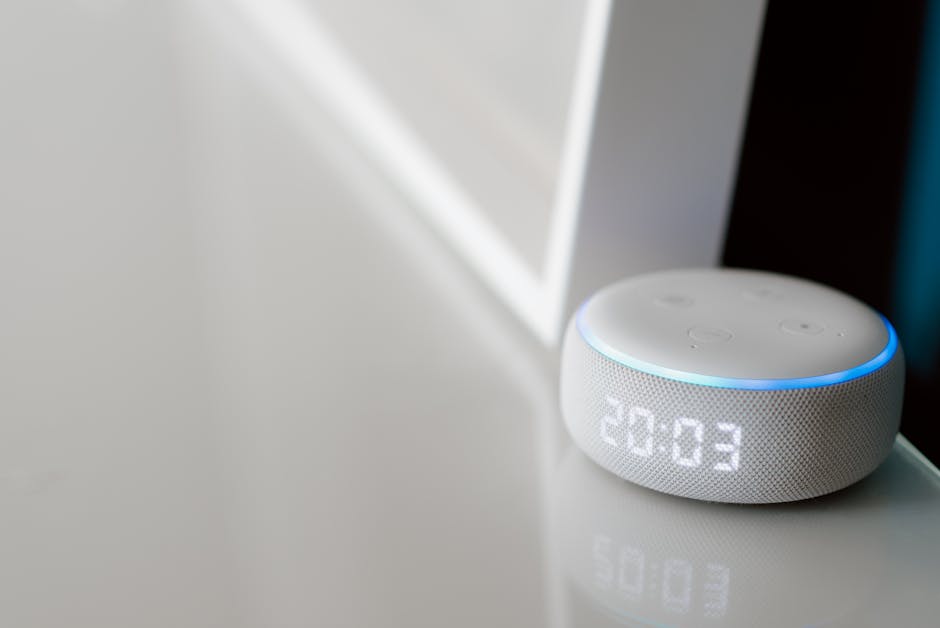
Let’s talk about speed first. In many situations, every millisecond counts. Think about autonomous vehicles: if a car detects an obstacle, it can’t afford the delay of sending data to a distant server for processing. Local intelligence allows for split-second decisions, which can be the difference between a smooth drive and an accident.
Now consider privacy. With so many devices collecting sensitive information (your voice commands, health stats, even video from inside your home) the fewer places this data travels, the better. By keeping more information on the device itself, edge intelligence reduces exposure to potential breaches or misuse. Apple’s Face ID is a prime example: facial recognition happens entirely on your iPhone, so your biometric data never leaves your pocket.
- Healthcare: Wearables like fitness trackers now analyze heart rate variability and detect irregularities in real time, alerting users instantly without sharing raw health data with external servers.
- Smart Home Security: Modern doorbell cameras can recognize familiar faces or package deliveries locally, so only relevant alerts are sent to homeowners.
- Retail: Smart shelves in stores track inventory changes instantly, helping staff restock before customers even notice something’s missing.
The Ripple Effect on IoT Ecosystems
The impact of local intelligence goes beyond individual gadgets, it’s reshaping entire networks of connected devices. In smart cities, traffic lights equipped with edge capabilities can adapt to real-time traffic flow without waiting for centralized instructions. This leads to smoother commutes and less congestion.
Industrial settings are seeing similar benefits. Sensors on factory floors monitor equipment health and predict failures before they happen, all without flooding central servers with raw data. This not only saves bandwidth but also allows for faster interventions, reducing costly downtime.
Here’s how edge intelligence is transforming key sectors:
| Sector | Edge Intelligence Application | Benefit |
|---|---|---|
| Healthcare | Real-time patient monitoring with wearables | Immediate alerts; improved privacy |
| Manufacturing | Predictive maintenance sensors on machinery | Reduced downtime; lower costs |
| Retail | Smart inventory management systems | Efficient restocking; better customer experience |
| Transportation | Adaptive traffic control systems | Smoother traffic flow; reduced congestion |
| Agriculture | Drones analyzing crop health on-site | Faster interventions; higher yields |
The Challenges: Power, Compatibility, and Security
No revolution comes without its hurdles. Packing powerful processing into tiny devices means grappling with battery life and heat management. Manufacturers are racing to design chips that sip power while still crunching complex data, think of it as trying to fit a race car engine into a bicycle frame without overheating.
Compatibility is another headache. As more intelligence moves to the edge, ensuring these devices can communicate smoothly becomes even more critical. Industry alliances like the Connectivity Standards Alliance (csa-iot.org) are working to create common standards so that your smart home doesn’t turn into a digital Tower of Babel.
Security remains a top concern. While local processing keeps data closer to home, it also means each device must be robustly protected against hacking attempts. The stakes are high, imagine if someone could tamper with your home security system or medical monitor remotely. Device makers are investing heavily in encryption and secure hardware modules to keep threats at bay.
- Battery Life: Efficient chips and adaptive power management are essential for always-on devices.
- Interoperability: Open standards help ensure devices from different brands work together seamlessly.
- Security: Regular software updates and hardware-level protections are non-negotiable.
The Road Ahead: Smarter Devices, Smarter World
If you’ve ever wished your gadgets could anticipate your needs or respond instantly without hiccups, you’re witnessing the promise of this new era firsthand. The move toward local intelligence isn’t just about making devices faster, it’s about empowering them to be more helpful and trustworthy companions in our daily lives.
The next wave will see even more sophisticated applications: refrigerators that suggest recipes based on what’s inside, fitness trackers that flag health issues before you notice symptoms, and city infrastructure that adapts dynamically to changing conditions. According to a 2023 report by Gartner, over half of enterprise-generated data will be created and processed outside traditional data centers by 2025, a clear sign that this trend is only accelerating.
This transformation isn’t just technical; it’s personal. As our devices become more attuned to our routines and preferences while keeping our information safer and closer to home, we’re moving toward a world where technology feels less like an intrusion and more like an invisible helping hand.
As engineers continue to push boundaries (shrinking chips, tightening security, and building bridges between devices) the benefits will ripple out from our homes and workplaces into every corner of our connected world. So next time your smartwatch nudges you to stand up or your doorbell recognizes a friend at the door, remember: there’s a lot more going on under the hood than meets the eye and it’s all happening right at the edge.
References: